
What Are Sleep Studies and How Do They Help Diagnose Disorders Like OSA and Bruxism?
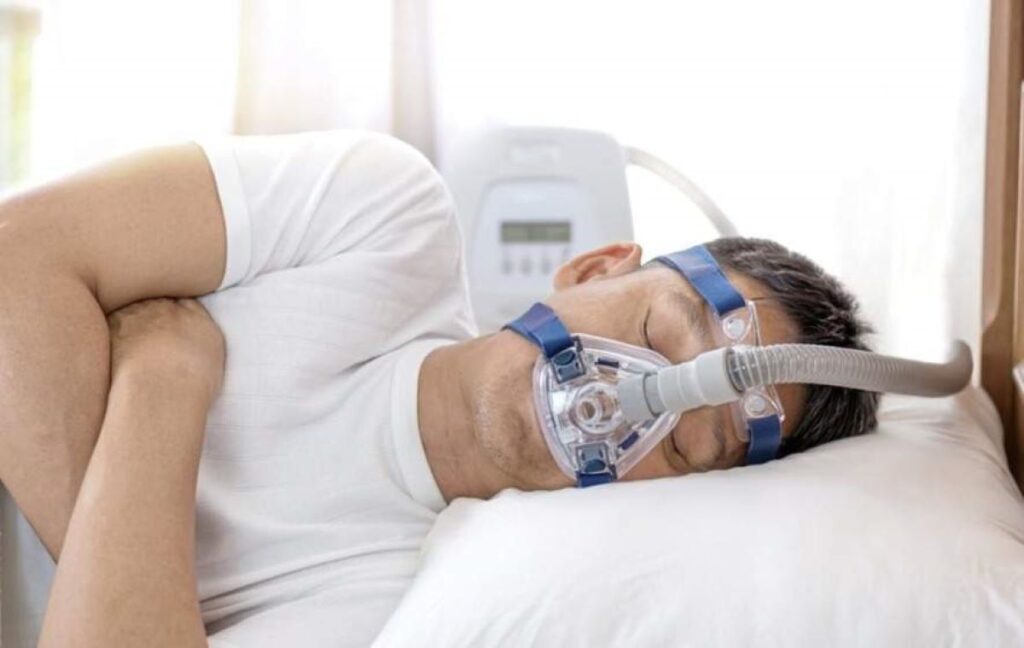
Sleep studies are diagnostic tests that monitor your body’s activity during sleep to identify various sleep disorders. These tests track critical indicators including breathing patterns, oxygen levels, heart rate, and body movements throughout the night.
Sleep studies effectively diagnose conditions such as:
- Obstructive sleep apnea (OSA) – where breathing repeatedly stops during sleep
- Bruxism – teeth grinding or jaw clenching
- Restless leg syndrome
- Periodic limb movement disorder
- Chronic snoring
The diagnostic process works by capturing data while you sleep, either at home or in a specialized facility. Sleep physicians analyze this information to identify abnormal patterns that indicate specific disorders. For OSA, the study measures how often your breathing pauses and how severely your oxygen levels drop. With bruxism, sensors detect jaw muscle activity and grinding episodes.
Understanding the Melbourne sleep study cost becomes essential when planning your diagnostic journey. Many patients delay necessary testing due to cost uncertainty, which can worsen untreated conditions. Sleep disorders like OSA carry serious health risks including cardiovascular problems, daytime fatigue, and reduced quality of life.
Knowing what to expect financially helps you:
- Budget appropriately for the procedure
- Explore Medicare rebate options
- Compare home-based versus in-lab testing costs
- Avoid unexpected medical expenses
- Make informed decisions about your sleep health
The investment in a sleep study often proves worthwhile, as proper diagnosis leads to targeted treatment that can dramatically improve your sleep quality and overall health.
What Types of Sleep Studies Are Available in Melbourne?
Melbourne offers two primary testing options: home sleep studies and in-lab polysomnography. Home sleep study Melbourne services allow patients to complete diagnostic testing in their own beds, while in-lab sleep study facilities provide comprehensive monitoring in a clinical environment.
Home Sleep Studies
Home-based testing involves wearing a portable monitoring device overnight that tracks essential sleep metrics. The equipment typically includes sensors that measure:
- Breathing patterns and airflow
- Blood oxygen saturation levels
- Heart rate variability
- Body position and movement
- Snoring intensity
Patients receive the device with clear setup instructions, wear it for one or two nights, then return it for analysis. Australian-based sleep physicians or scientists review the collected data and provide detailed diagnostic reports. This option suits individuals with suspected moderate to severe obstructive sleep apnea without complicating medical conditions.
In-Lab Polysomnography
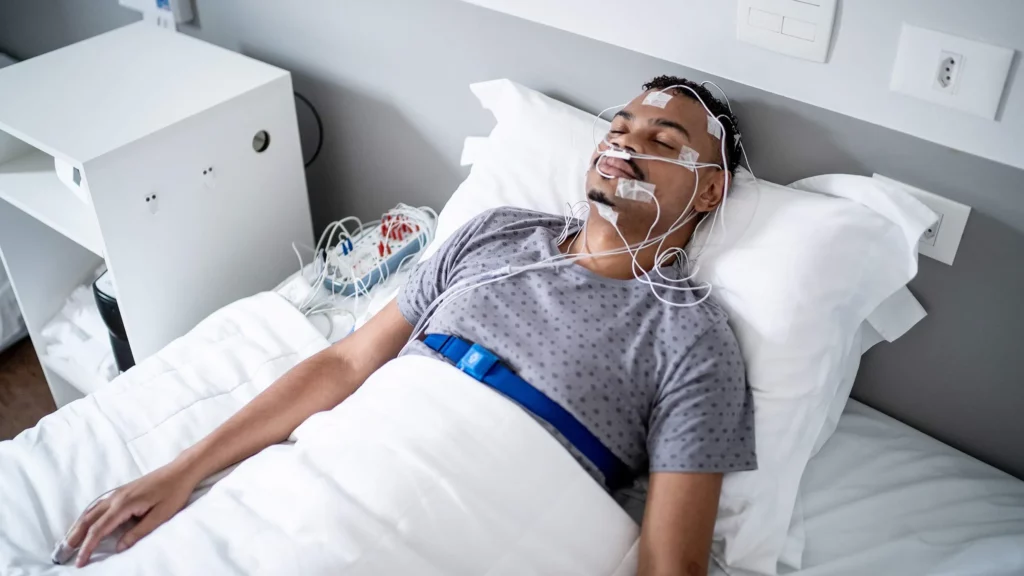
A level 1 sleep study represents the most comprehensive diagnostic approach available. Conducted in specialized sleep clinics, these overnight tests monitor additional parameters beyond home studies:
- Brain wave activity (EEG)
- Eye movements (EOG)
- Muscle tone and leg movements (EMG)
- Chest and abdominal breathing effort
- Continuous video recording
- Real-time technician observation
Patients arrive at the facility in the evening, where trained technologists attach multiple sensors before sleep. The controlled environment allows detection of complex sleep disorders including narcolepsy, REM behavior disorder, and periodic limb movement syndrome. Level 1 studies require 6-8 hours of monitored sleep and often involve private health insurance coverage due to higher costs.
Which Study Type Suits Your Needs?
Home testing provides adequate diagnostic accuracy for straightforward cases of sleep-disordered breathing. The convenience factor appeals to patients who feel uncomfortable sleeping in unfamiliar environments. In-lab studies become necessary when symptoms suggest multiple sleep disorders, when home study results prove inconclusive, or when patients have significant cardiovascular or respiratory comorbidities requiring more detailed assessment.
How Much Does a Sleep Study Typically Cost in Melbourne?
Home sleep study prices in Melbourne range from $150 to $265 out of pocket after Medicare rebates. This makes home-based testing an affordable option for most patients seeking diagnosis for sleep disorders like OSA or bruxism.
Breaking Down the Melbourne Sleep Study Cost
The home sleep study price represents the most accessible entry point for sleep disorder diagnosis. Patients can expect:
- Upfront costs: Initial fees before Medicare rebates typically range higher
- Medicare rebates: Eligible patients receive substantial rebates that reduce the final out-of-pocket expense to $150-$265
- No hidden fees: Transparent pricing includes device rental, analysis by qualified sleep physicians, and comprehensive reporting
What Influences the Final Price?
Several factors affect the Melbourne sleep study cost beyond the base rate. The complexity of monitoring required plays a significant role—basic overnight monitoring costs less than studies requiring extended data collection or specialized sensors.
Medicare eligibility dramatically impacts your final expense. Patients with valid Medicare cards access rebates that can reduce costs by hundreds of dollars. Those without Medicare coverage face higher out-of-pocket expenses.
Private health insurance coverage varies between providers. Some policies offer additional rebates for sleep studies, while others exclude diagnostic testing from their coverage. Checking your specific policy details before booking prevents unexpected expenses.
In-Lab vs Home Sleep Study Pricing
In-lab level 1 sleep studies carry substantially higher costs than home-based alternatives. These comprehensive tests involve:
- Overnight stays at specialized sleep clinics
- Continuous monitoring by trained technicians
- More extensive equipment measuring brain waves, eye movements, and muscle activity
- Facility fees and staffing costs
The enhanced comprehensiveness comes with premium pricing, often requiring private health insurance to manage expenses. Many patients find home sleep studies sufficient for diagnosing common conditions, making the $150-$265 price point attractive.
Medicare Rebates for Sleep Tests Explained
Medicare provides rebates for medically necessary sleep studies when referred by a general practitioner. The rebate amount depends on the specific test type and Medicare item number assigned. Home sleep studies qualify for rebates that significantly reduce patient costs, making professional sleep disorder diagnosis accessible to a broader population.
Patients should confirm their Medicare eligibility
What Should Patients Do to Prepare for a Sleep Study?
Proper preparation ensures accurate results and helps you get the most value from your investment in a sleep study. The key is maintaining your regular sleep routine while avoiding substances that could interfere with the test data.
What substances should you avoid before your sleep study?
Alcohol, caffeine, and sedatives must be avoided for at least 4-6 hours before your scheduled test. These substances alter your natural sleep patterns and can mask or exaggerate symptoms, leading to inaccurate diagnoses. Alcohol may initially make you drowsy but disrupts REM sleep cycles, while caffeine keeps you artificially alert. If you regularly take prescription medications, consult with your referring doctor rather than stopping them abruptly.
How should you adjust your daily routine on test day?
Stick to your normal daytime activities and avoid napping, even if you feel tired. Napping reduces your sleep drive and may make it harder to fall asleep during the study period. For home sleep studies, you’ll receive your monitoring device with clear instructions on attachment points and activation procedures. Most devices are designed for self-application, with sensors placed on your finger, chest, and sometimes near your nose.
What about skincare and grooming products?
Skip heavy moisturizers, oils, or lotions on areas where sensors will be attached. These products create a barrier that prevents proper adhesion and can compromise data quality. Keep your skin clean and dry. If you’re having an in-lab study, avoid wearing perfumes or strong scents that might affect other patients or interfere with equipment.
Should you maintain your usual bedtime?
Yes, go to bed at your typical time rather than forcing yourself to sleep earlier or later. The study aims to capture your natural sleep patterns, including when you naturally feel drowsy. For home studies, you’ll typically wear the device for one or two nights, depending on your provider’s protocol and what your doctor needs to assess.
What items should you prepare for a home sleep study?
Charge your phone and keep it nearby in case technical support needs to contact you. Have the instruction manual accessible, though most modern devices are intuitive. Wear comfortable, loose-fitting pajamas that allow easy access to your chest and finger for sensor placement. Set up your bedroom environment
What Treatment Options Follow a Sleep Study Diagnosis?
Treatment after sleep study depends entirely on the specific diagnosis and severity of your condition. Once your sleep physician analyzes the data from your study, they’ll recommend a tailored approach that addresses your particular sleep disorder.
CPAP Therapy for Moderate to Severe Cases
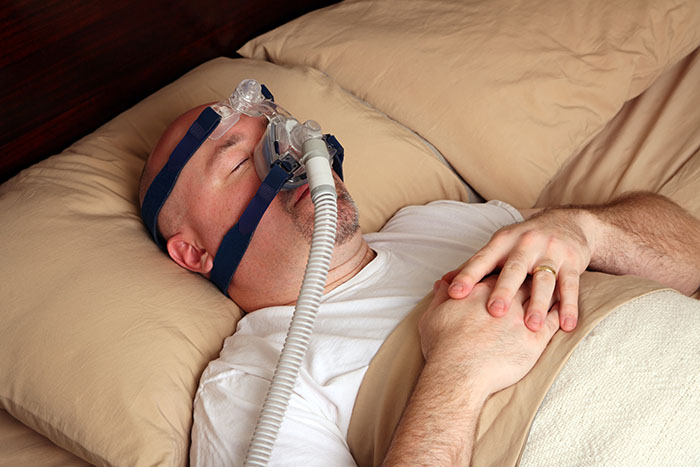
CPAP (Continuous Positive Airway Pressure) therapy remains the gold standard for moderate to severe obstructive sleep apnea management. This treatment involves wearing a mask connected to a machine that delivers pressurized air throughout the night, keeping your airways open and preventing breathing interruptions. Modern CPAP devices are quieter, more comfortable, and feature advanced settings that adjust pressure levels automatically based on your breathing patterns.
Mandibular Advancement Splints for Mild to Moderate OSA
Patients with mild to moderate obstructive sleep apnea often benefit from mandibular advancement splints, which serve as effective CPAP therapy alternatives. These custom-fitted oral devices gently reposition your lower jaw forward during sleep, preventing airway collapse. Many patients prefer this option due to its portability, silent operation, and ease of use compared to CPAP machines.
Lifestyle Modifications and Positional Therapy
Your treatment plan may include specific lifestyle changes such as:
- Weight loss programs for patients where excess weight contributes to airway obstruction
- Sleeping position adjustments, particularly avoiding back-sleeping positions
- Alcohol and sedative avoidance, especially in the hours before bedtime
- Smoking cessation support to reduce airway inflammation
Medication-Based Treatments
Certain sleep disorders identified through your study may require pharmaceutical intervention. Periodic limb movement syndrome often responds well to specific medications that regulate muscle activity during sleep. Restless leg syndrome may be managed through iron supplementation or dopamine-related medications, depending on the underlying cause identified in your diagnosis.
Surgical Options for Specific Cases
When anatomical issues contribute to your sleep disorder, surgical procedures might be recommended. These range from minor interventions like nasal septum correction to more extensive procedures addressing throat tissue or jaw positioning. Your sleep physician will discuss whether surgery represents a viable option based on your specific anatomical findings and overall health profile.
Why Is Understanding the Sleep Study Cost Important for Patients?
Does knowing the sleep study price affect healthcare decisions? Absolutely—transparency in medical costs empowers patients to make informed choices about their health without financial surprises. When patients understand what to expect from the Melbourne sleep study cost upfront, they can budget appropriately and avoid delaying essential diagnostic testing due to cost uncertainty.
Patient financial planning becomes significantly easier with clear pricing structures. The $150-$265 range for home sleep studies in Melbourne, after Medicare rebates, allows individuals to assess whether they can proceed immediately or need to save for the test. This predictability removes a major barrier that often prevents people from seeking diagnosis for potentially serious conditions like obstructive sleep apnea.
How does cost transparency improve healthcare accessibility Melbourne-wide? Clear pricing ensures that sleep disorder diagnosis isn’t limited to those with extensive private health coverage. Home sleep studies have democratized access by offering an affordable alternative to expensive in-lab tests, making professional sleep assessment available to a broader demographic across Melbourne’s diverse communities.
The relationship between cost awareness and treatment adherence matters significantly. Patients who understand the financial commitment from the start are more likely to complete the diagnostic process and follow through with recommended treatments. When unexpected bills arrive, many abandon their healthcare journey midway, leaving conditions undiagnosed and untreated.
What role does cost knowledge play in reducing health inequities? Transparent pricing levels the playing field for patients from different socioeconomic backgrounds. Those without private insurance can confidently pursue home sleep studies knowing the exact out-of-pocket expense, while understanding that Medicare rebates will offset a substantial portion of the cost.
Healthcare providers who communicate costs clearly build trust with their patients. This transparency demonstrates respect for patients’ financial situations and acknowledges that medical expenses represent real household budget considerations. The straightforward pricing model used by Melbourne home sleep study services exemplifies patient-centered care that extends beyond clinical expertise.
Cost understanding also enables patients to compare options effectively. Knowing that home studies cost $150-$265 versus potentially higher in-lab alternatives allows individuals to weigh the benefits of each approach against their financial capacity and insurance coverage. This informed decision-making leads to better satisfaction with the chosen diagnostic pathway.