

Why Is It Important to Get an Affordable Sleep Test in Sydney?
Affordable sleep testing removes financial barriers that prevent people from diagnosing potentially life-threatening conditions like sleep apnea. When cost isn’t an obstacle, Sydney residents can access early diagnosis and treatment before serious health complications develop.
Untreated sleep disorders create a domino effect on your health. Sleep apnea sufferers face increased risks of cardiovascular disease, stroke, and type 2 diabetes. The condition also impairs cognitive function, leading to workplace accidents and reduced productivity that cost far more than preventive testing.
Financial accessibility directly impacts treatment outcomes. Patients who delay testing due to cost concerns often present with advanced symptoms requiring more intensive (and expensive) interventions. Early detection through affordable testing allows for simpler treatment approaches and better long-term management.
Sydney’s healthcare landscape offers multiple pathways to reduce testing costs:
- Bulk-billed services for eligible Medicare cardholders
- Home sleep studies that eliminate facility fees
- Payment plans through private clinics
- Health fund rebates for insured patients
The psychological burden of untreated sleep disorders extends beyond physical health. Chronic fatigue affects relationships, mental health, and quality of life. Accessible testing means more people can reclaim restful sleep without choosing between their health and their budget.
Sleep testing represents an investment in preventive healthcare. The cost of a single diagnostic test pales compared to ongoing treatment for preventable conditions like hypertension or heart disease. Sydney residents who prioritize affordable sleep testing position themselves for healthier, more productive lives while avoiding catastrophic health expenses down the road.
What Are the Common Types of Sleep Apnea Diagnosed in Sydney?
Sydney sleep clinics offer comprehensive sleep testing Sydney to diagnose three distinct types of sleep apnea, with Obstructive Sleep Apnea (OSA) being the most prevalent condition affecting patients. Each type has unique characteristics and requires different treatment approaches.
1. Obstructive Sleep Apnea (OSA)
OSA occurs when throat muscles relax excessively during sleep, causing the airway to narrow or close completely. This physical blockage prevents adequate airflow despite continued breathing efforts.
Patients with OSA typically experience:
- Loud, chronic snoring that disrupts household members
- Witnessed breathing pauses during sleep
- Gasping or choking sensations that wake them abruptly
- Excessive daytime sleepiness affecting work performance
- Morning headaches and dry mouth upon waking
The condition affects approximately 5-10% of Australian adults, with higher rates among those who are overweight, male, or over 40 years old. Risk factors include enlarged tonsils, a thick neck circumference, and anatomical features like a recessed jaw.
2. Central Sleep Apnea (CSA)
CSA differs fundamentally from OSA because the brain fails to send proper signals to breathing muscles. The airway remains open, but breathing effort temporarily stops due to neurological dysfunction.
This less common form accounts for roughly 5% of sleep apnea cases diagnosed in Sydney. CSA often develops in patients with:
- Heart failure or stroke history
- Opioid medication use
- High-altitude exposure
- Neurological conditions affecting the brainstem
Patients with CSA may not snore loudly but experience frequent nighttime awakenings, shortness of breath, and difficulty staying asleep. The condition requires specialized neurological assessment alongside standard sleep studies.
3. Mixed (Complex) Sleep Apnea
Mixed sleep apnea combines features of both OSA and CSA within the same patient. This condition often emerges when patients being treated for OSA with CPAP therapy develop central apnea events.
Sydney sleep specialists identify this type through comprehensive polysomnography that monitors:
- Brain wave patterns
- Blood oxygen levels
- Breathing effort and airflow
- Heart rate variations
How Can Patients Access Affordable Sleep Testing Services in Sydney?
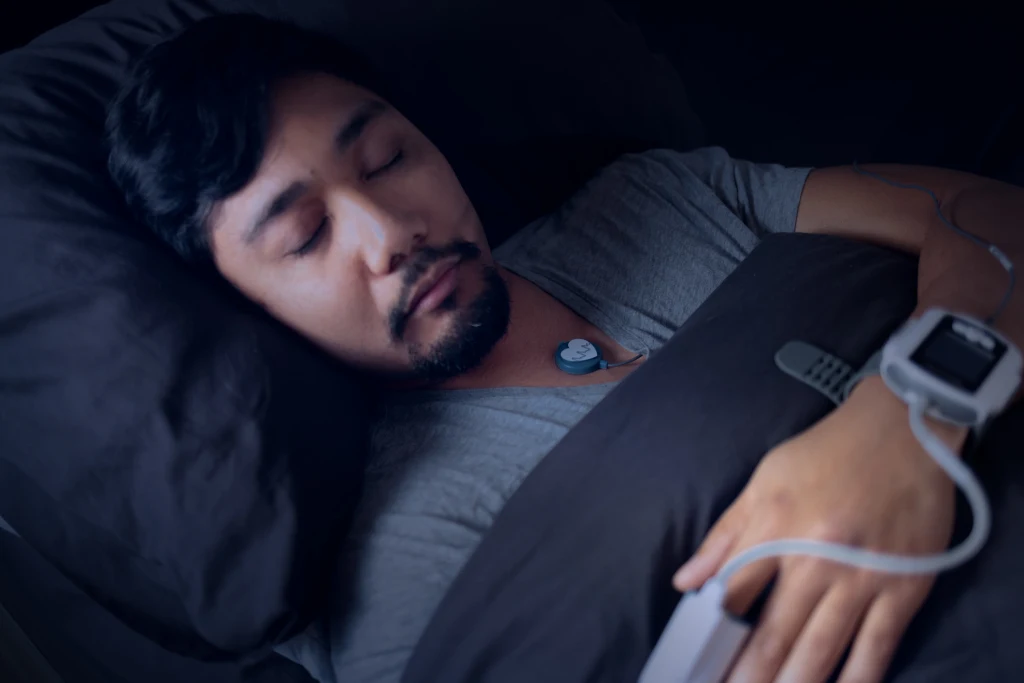
Patients can access affordable sleep testing through bulk-billed services offered by many Sydney clinics for eligible Medicare cardholders. These services eliminate out-of-pocket expenses for qualifying patients, making diagnosis accessible regardless of financial circumstances.
Bulk Billing Eligibility
Most sleep clinics in Sydney accept referrals from general practitioners and specialists for bulk-billed sleep studies. Patients with a valid Medicare card and appropriate referral typically qualify for fully covered diagnostic testing. Some clinics extend bulk billing to pensioners, healthcare cardholders, and veterans with DVA cards.
Home Sleep Study Programs
Home-based testing represents a cost-effective alternative to overnight laboratory studies. Patients receive portable monitoring equipment to use in their own beds, which reduces facility costs and waiting times. These studies typically cost less than in-clinic polysomnography while maintaining diagnostic accuracy for suspected obstructive sleep apnea.
Public Hospital Sleep Services
Sydney’s public hospital network provides sleep disorder services through specialist respiratory and sleep medicine departments. Referrals through the public system may involve longer waiting periods but offer comprehensive testing at minimal or no cost to patients with Medicare coverage.
Private Clinic Payment Plans
Private sleep clinics across Sydney offer flexible payment arrangements for patients without bulk billing eligibility. These options include:
- Interest-free payment plans spread over several months
- Reduced fees for upfront payment
- Health insurance claims processing assistance
- Gap payment arrangements for insured patients
GP Referral Pathways
General practitioners serve as the primary access point for sleep testing services. A GP referral ensures patients receive appropriate Medicare rebates and connects them with clinics offering the most affordable options based on individual circumstances. Many GPs maintain relationships with specific sleep clinics known for competitive pricing and quality care.
Community Health Centers
Select community health facilities in Sydney provide sleep assessment services at reduced rates or through government-funded programs. These centers prioritize patients from disadvantaged backgrounds or those facing financial hardship.
What Should Patients Consider When Choosing a Sleep Clinic in Sydney?
Selecting the right sleep clinic requires evaluating bulk billing availability, accreditation status, and the range of diagnostic services offered. Patients should prioritize clinics that accept Medicare referrals and provide transparent pricing structures upfront.
Accreditation and Professional Credentials
Accredited sleep clinics employ qualified sleep physicians and technicians registered with relevant Australian health boards. These facilities follow standardized protocols for sleep studies, ensuring diagnostic accuracy and reliable results. Patients can verify a clinic’s credentials through the Australasian Sleep Association or by requesting information about staff qualifications during initial consultations.
Location and Accessibility
Sydney’s geography means travel time significantly impacts appointment attendance. Clinics located near public transport hubs or offering ample parking reduce logistical barriers. Some facilities operate multiple locations across metropolitan and suburban areas, allowing patients to choose the most convenient option for their circumstances.
Home Sleep Study Options
Clinics offering home-based testing provide greater flexibility for patients with mobility issues, work commitments, or childcare responsibilities. These services deliver diagnostic equipment directly to patients’ residences with clear instructions for setup. The devices are returned via courier or drop-off points, making the process seamless for those seeking affordable sleep testing in Sydney.
Wait Times and Appointment Availability
Average wait times for sleep studies vary dramatically between clinics, ranging from weeks to several months. Patients experiencing severe symptoms should inquire about urgent assessment pathways. Some facilities maintain cancellation lists, allowing flexible patients to secure earlier appointments when others reschedule.
Technology and Equipment Quality
Modern sleep clinics utilize advanced polysomnography equipment that monitors multiple physiological parameters simultaneously. High-quality devices capture detailed data about breathing patterns, oxygen saturation, heart rate, and sleep stages. Patients should ask about the type of equipment used and whether the clinic regularly updates its technology.
Follow-Up Care and Treatment Options
Comprehensive sleep clinics provide ongoing management beyond initial diagnosis. These facilities offer CPAP therapy fittings, mask adjustments, and regular monitoring appointments. Integrated care models connect patients with respiratory specialists, ENT surgeons, or dentists specializing in sleep disorders when additional interventions are necessary.
Patient Reviews and Testimonials
Online reviews reveal valuable insights into patient experiences at various sleep clinics. Platforms like Google Reviews or HealthEngine allow individuals to share feedback on their treatment journeys openly. Prospective patients can gauge overall satisfaction levels by reading multiple testimonials while considering individual preferences may vary.
Cost Considerations
Understanding the financial aspect is crucial when selecting a sleep clinic. Patients should inquire about consultation fees, diagnostic tests costs (such as polysomnography), and any additional charges associated with follow-up visits or treatments. Clinics offering bulk billing options can alleviate out-of-pocket expenses for eligible individuals covered by Medicare.
Insurance Coverage
For those with private health insurance coverage, it’s essential to check whether your policy includes benefits for sleep studies or related treatments. Contacting your insurance provider directly will help clarify specific inclusions/exclusions within your plan—this knowledge empowers you during discussions with potential clinics regarding payment arrangements.
Referral Requirements
Some clinics may require referrals from general practitioners (GPs) before booking appointments or conducting assessments; thus understanding these requirements beforehand ensures a smoother process—especially if you need an urgent evaluation due to persistent sleep issues.
By considering these factors—accreditation status/location/accessibility/home-sleep-study-options/wait-times/technology-quality/follow-up-care/cost-insurance-coverage/referral-requirements—patients can make informed decisions while choosing a suitable sleep clinic in Sydney tailored to their unique needs/preferences/circumstances!
How Do Home Sleep Studies Compare to In-Clinic Testing in Terms of Cost and Convenience?
Home sleep studies typically cost 30-50% less than in-clinic polysomnography, with many Sydney providers offering bulk-billed options that eliminate out-of-pocket expenses entirely. Patients can complete these tests in their own beds using portable monitoring devices, avoiding the need to spend a night in an unfamiliar clinical environment.
Cost Differences Between Testing Methods
In-clinic sleep studies (polysomnography) generally range from $800 to $2,000 for private patients in Sydney, though bulk billing reduces this to zero for eligible individuals. Home sleep tests usually fall between $300 and $800 when paid privately, making them the more economical choice for those without Medicare coverage or bulk billing access.
The equipment used in home studies is less comprehensive but sufficient for diagnosing obstructive sleep apnea. These devices monitor breathing patterns, oxygen levels, heart rate, and body position. In-clinic testing employs more sophisticated equipment that tracks brain waves, eye movements, and muscle activity, providing a complete picture of sleep architecture.
Convenience Factors That Matter
Home testing allows patients to maintain their regular evening routines and sleep in familiar surroundings. The device arrives by mail or courier, patients attach the sensors themselves following simple instructions, and return the equipment the next day. This process eliminates travel time, parking costs, and the disruption of spending a night away from home.
In-clinic studies require patients to arrive in the evening, undergo sensor placement by trained technicians, and attempt to sleep while being monitored. Some people find this environment stressful, which can affect their natural sleep patterns and potentially impact test accuracy. The presence of technicians does provide immediate troubleshooting if equipment issues arise during the night.
When Each Testing Method Works Best
Home sleep studies are ideal for:
- Patients with high suspicion of moderate to severe obstructive sleep apnea
- Individuals who struggle with anxiety in clinical settings
- Those with mobility issues or transportation challenges
- People seeking a quick, convenient diagnostic pathway
In-clinic testing is recommended for:
- Complex cases involving suspected central or mixed sleep apnea
- Patients with multiple comorbid conditions like heart failure or COPD
What Tips Can Help Patients Maximize Affordability Without Compromising Quality?
Patients can significantly reduce costs by checking their Medicare eligibility and private health insurance coverage before booking a sleep test. Many Sydney clinics offer bulk-billed services for patients with valid GP referrals and Medicare cards, eliminating out-of-pocket expenses entirely. Contacting your health fund directly reveals what rebates apply to sleep studies and CPAP equipment.
1. Ask about bulk billing options upfront
Not all clinics advertise this service prominently, yet many provide it for eligible patients. A simple phone call to inquire about bulk billing can save hundreds of dollars compared to private pay rates.
2. Request a comprehensive quote before committing
Quality sleep clinics provide detailed breakdowns of all costs, including consultation fees, equipment rental, report analysis, and follow-up appointments. This transparency prevents unexpected charges and allows comparison shopping between providers.
3. Choose clinics with in-house sleep physicians
Facilities where specialists work directly on-site often streamline the diagnostic process, reducing the need for multiple appointments and referrals. This integration cuts down on additional consultation fees while maintaining diagnostic accuracy.
4. Consider timing your sleep study strategically
Some clinics offer reduced rates during weekdays or specific months when demand is lower. Flexible scheduling can unlock discounts without affecting the quality of testing equipment or professional analysis.
5. Verify the clinic’s accreditation status
Accredited sleep centers must meet strict quality standards set by organizations like the Australasian Sleep Association. These facilities provide reliable diagnoses while often accepting bulk billing, combining affordability with professional excellence.
6. Inquire about payment plans for equipment
If CPAP therapy is recommended after diagnosis, many suppliers offer interest-free payment options spread over several months. This approach makes treatment accessible without requiring large upfront payments.
7. Join patient support groups or online communities
Fellow sleep apnea patients in Sydney often share recommendations for affordable clinics, bulk billing experiences, and tips for navigating the healthcare system. These peer insights provide practical guidance beyond official clinic information.
8. Request generic or older-model equipment when appropriate
The latest CPAP machines include advanced features, but previous-generation models often perform equally well for straightforward cases. Discussing equipment options with your sleep physician can reduce costs while maintaining therapeutic effectiveness

How Can Patients Prepare for Their Sleep Test to Ensure Accurate Results?
Proper preparation directly impacts the accuracy of your sleep study results and helps avoid costly retests. Following pre-test guidelines ensures the diagnostic equipment captures your typical sleep patterns, leading to a correct diagnosis and appropriate treatment plan.
Maintain Your Regular Sleep Schedule
Stick to your normal bedtime routine in the days leading up to your test. Avoid staying up unusually late or sleeping in, as this can distort your natural sleep patterns and produce misleading results that may require additional testing.
Skip Caffeine and Alcohol Before Testing
Eliminate caffeinated beverages, chocolate, and energy drinks at least 6 hours before your scheduled sleep study. Alcohol should be avoided for at least 12 hours prior, as both substances alter sleep architecture and can mask or exaggerate symptoms of sleep disorders.
Wash Your Hair Without Styling Products
Clean, product-free hair is essential for electrode placement during polysomnography. Avoid using:
- Hair gels or mousse
- Leave-in conditioners
- Hairspray or oils
- Dry shampoo
These products create barriers that interfere with sensor adhesion and signal quality.
Discuss Medications With Your Doctor
Inform your sleep specialist about all medications you’re taking at least one week before testing. Some medications, particularly sedatives, antidepressants, and stimulants, may need temporary adjustment. Never stop prescribed medications without medical guidance.
Pack Comfortable Sleepwear for In-Clinic Tests
Choose loose-fitting, two-piece pajamas with button-front tops for easier sensor attachment. Bring your pillow if it helps you sleep better. Most Sydney sleep clinics encourage patients to create a familiar sleep environment within the testing facility.
Complete Pre-Test Questionnaires Thoroughly
Accurate responses on sleep history forms help technicians understand your specific concerns and adjust monitoring parameters accordingly. Detailed information about snoring patterns, daytime fatigue, and witnessed breathing pauses provides valuable context for interpreting test data.
Arrive With Clean, Makeup-Free Skin
Remove all facial cosmetics, moisturizers, and skincare products before your appointment. These substances prevent proper electrode contact on your face and scalp, potentially compromising the quality of the test results.